Proudly serving Phoenix, Glendale, Scottsdale, Tempe, Mesa, Chandler & surrounding areasCall or Text 24/7: 480-259-3923
Aerial view of residential neighborhoods with desert landscaping and Saguaro cacti in Phoenix, AZ at golden hour.

Sewer Pipe Bursting in Phoenix, AZ for Trenchless Line Replacement

Phoenix Sewers provides sewer pipe bursting, sewer pipe lining, and trenchless sewer repair across Phoenix. We also handle sewer camera inspection, hydro jetting, main sewer line cleaning, drain cleaning, sewer line repair, sewer line replacement, and commercial sewer services. Our hydraulic equipment is rated for clay, concrete, cast iron, and PVC lines.

Phoenix's caliche and expansive clay soils move with monsoon moisture, stressing aging clay and cast iron sewer laterals. Lines beneath driveways, foundations, pool decks, pavers, and mature landscaping can crack, separate, belly, or collapse after years of deterioration. We inspect the line by camera before quoting so pipe material, depth, route, and failure location drive the recommendation. When bursting fits, two small access pits can avoid a continuous trench through the property.

Our crews install SDR-rated HDPE pipe manufactured to ASTM F714 and cell classified per ASTM D3350. Phoenix Sewers holds Arizona Registrar of Contractors licensing, carries insurance on every crew, and handles required City of Phoenix Water Services Department and Maricopa County Environmental Services permits before work begins.

Phoenix Sewers provides sewer pipe bursting throughout Phoenix, Scottsdale, Tempe, Mesa, Glendale, and the surrounding Maricopa County metro area.

★ ★ ★ ★ ★4.9/5 Average Rating · 20+ Years of Experience · Thousands of Customers Helped · Licensed & Insured · Residential & Commercial

Sewer Pipe Bursting Options & Benefits

What Is Sewer Pipe Bursting?

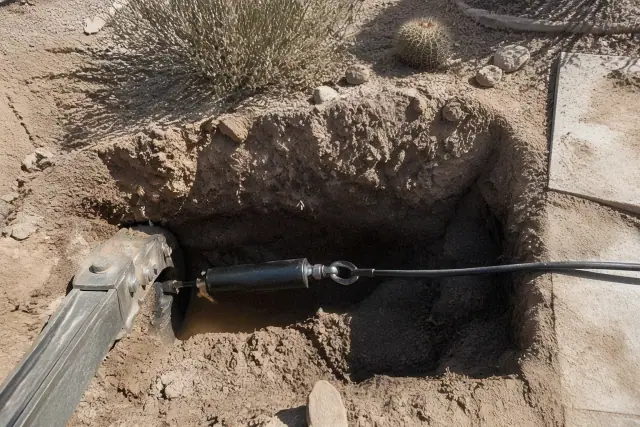
Sewer pipe bursting replaces a failing sewer line by fracturing the old pipe outward while pulling a new HDPE pipe through the same path. The trenchless method uses two small access pits instead of opening a trench along the full length of the yard, driveway, or landscaping.

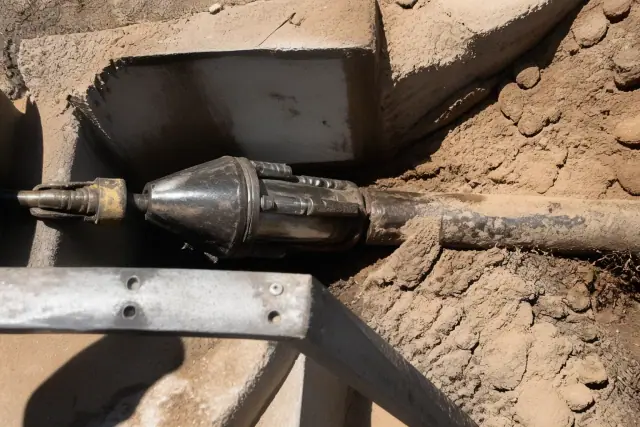
A cable or hydraulic rod runs through the existing line to a bursting head attached to the new pipe. As the head is winched forward, it breaks apart the clay, concrete, cast iron, or PVC line and draws the replacement pipe into position behind it.

Fusion-welded HDPE has no gaskets or seams where roots can enter, resists acidic and mineral-heavy Salt River Valley soils, and can match or increase the original line diameter. Sewer-rated HDPE carries a service life of 50 to 100 years.

Benefits of Trenchless Pipe Bursting

Pipe bursting preserves more of the property while replacing a sewer line that has lost its shape or structural integrity. It can reduce excavation, restoration work, and disruption without settling for a liner inside a collapsed pipe.

  • Two small access pits instead of a continuous trench
  • Completion often up to 4.5 times faster than comparable open-cut trenching
  • Savings around 40% on average compared with full open trenching
  • Pool decking, pavers, mature trees, and irrigation remain in place
  • The new pipe follows the existing sewer route
  • Fusion-welded joints resist root intrusion
  • Replacement can match or increase the original pipe diameter
  • HDPE is designed for corrosive, mineral-heavy valley soil
Trenchless Sewer Services

Phoenix Trenchless Sewer Services

Phoenix Sewers pairs trenchless replacement with inspection, cleaning, lining, and repair services so the recommendation matches the condition of the line. Camera findings determine whether a clog can be cleared, a sound pipe can be lined, or a collapsed lateral needs full replacement.

Sewer Pipe Bursting

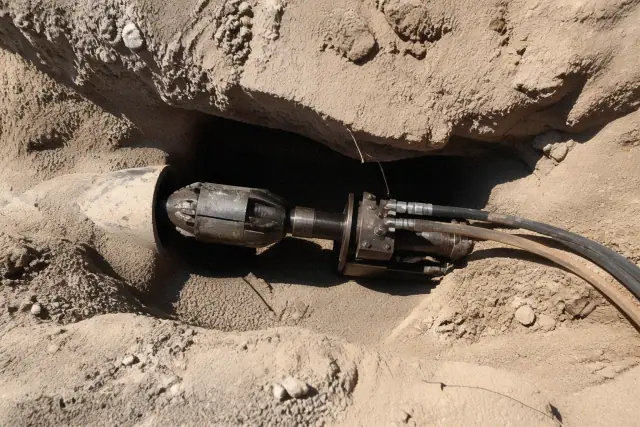
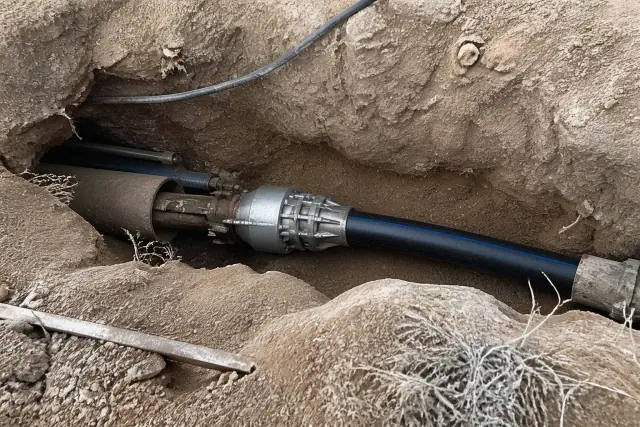
Hydraulic bursting head and pipe section inside a trenchless entry pit at a jobsite in Phoenix, AZ.

We fracture the failed pipe outward and pull fusion-welded HDPE through the existing alignment. Bursting is suited to collapsed, bellied, shifted, or crushed lines and can increase pipe diameter when more flow capacity is needed.

Request Estimate

Sewer Pipe Lining

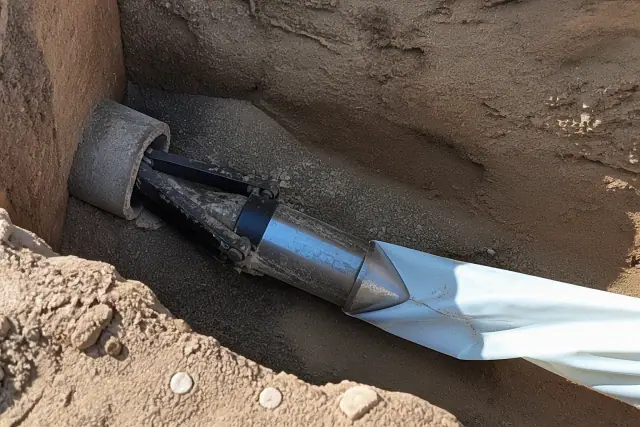
Hydraulic bursting head pulling a new liner through a pipe in a trenchless entry pit in Phoenix, AZ.

For pipes that remain structurally sound, sewer pipe lining places a resin-saturated felt tube inside the line and cures it into a new interior wall. It is a less invasive fit for cracks, minor root intrusion, or corrosion when the original shape and grade remain intact.

Request Estimate

Sewer Camera Inspection

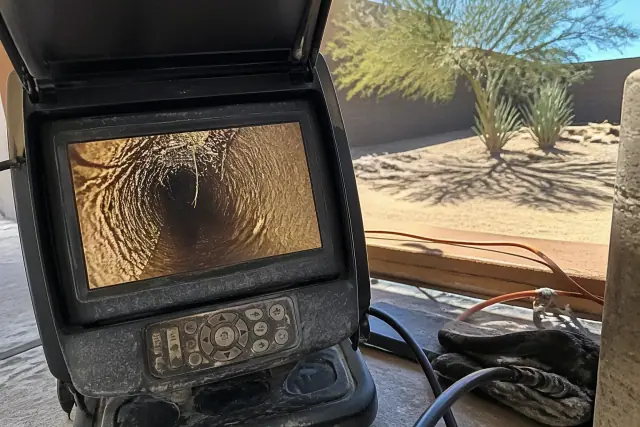
Sewer camera inspection monitor showing pipe conditions and tree roots at a job site in Phoenix, AZ.

Every bursting proposal starts with a sewer camera inspection to identify pipe material, depth, route, failure location, offsets, and connections. The inspection separates a structural failure from a blockage and provides the basis for the repair recommendation.

Request Estimate

Hydro Jetting and Drain Cleaning

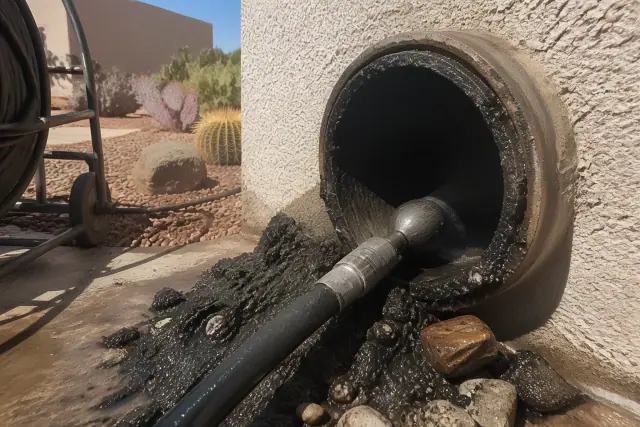
High-pressure hose nozzle clearing debris from an industrial drain pipe at a job site in Phoenix, AZ.

Hydro jetting and drain cleaning target grease, debris, and root intrusion that restrict flow without destroying the pipe. Our trucks carry hydro jetting equipment capable of pressures up to 4,000 psi, and the camera confirms whether cleaning can solve the backup without excavation.

Request Estimate

Main Sewer Line Cleaning

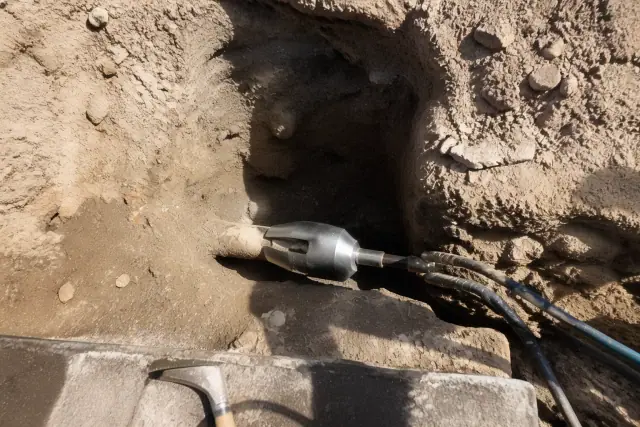
Hydraulic bursting head positioned in a trenchless sewer repair pit in Phoenix, AZ.

Main sewer line cleaning clears buildup between the property and the city connection before it becomes a complete backup. When cleaning exposes cracks, separation, or collapse, we can compare lining, point repair, and full lateral replacement.

Request Estimate

Commercial and Emergency Sewer Services

Hydraulic bursting head in a trenchless sewer pipe replacement pit at a job site in Phoenix, AZ.

Commercial work can involve larger diameters, deeper mains, and scheduling around business operating hours to limit downtime. For sewage backups, gurgling toilets, or standing water at a cleanout, crews use immediate camera inspection to determine whether hydro jetting, drain cleaning, lining, or pipe bursting fits the failure.

Request Estimate
Repair Methods and Materials

Sewer Repair Methods & Materials

The right trenchless method depends on pipe material, structural condition, diameter, depth, route, and access. We use camera findings to select a bursting method, HDPE installation, cured-in-place lining, or a more limited repair.

Hydraulic bursting head in a trenchless pipe bursting pit at a residential jobsite in Phoenix, AZ.

Static Pipe Bursting

Static bursting uses a winch to pull a bursting head and new HDPE pipe through the old line. It is selected when the pipe material, route, and pulling conditions support a controlled pull.

  • Winch-pulled bursting head
  • Cable or hydraulic rod through the old line
  • Uses the existing sewer alignment
  • Suitable pipe materials confirmed by camera
  • Two access pits rather than a full trench
Request Estimate
Pneumatic pipe bursting equipment in an entry pit at a sewer repair jobsite in Phoenix, AZ.

Pneumatic Pipe Bursting

Pneumatic bursting uses a percussive hammer to fracture harder materials as the replacement pipe advances. It can provide the force needed for concrete lines when inspection shows bursting is feasible.

  • Percussive hammer action
  • Designed for harder pipe materials
  • Heavier bursting head for concrete
  • Route and offsets checked first
  • Access planned around property features
Request Estimate
Hydraulic bursting head pulling HDPE pipe through an entry pit at a sewer installation jobsite in Phoenix, AZ.

HDPE Pipe Installation

The replacement is high density polyethylene pipe fused into a continuous line before the pull. Its smooth, joint-free path resists common root and soil-related problems in Phoenix.

  • SDR-rated sewer pipe
  • Manufactured to ASTM F714
  • Cell classified per ASTM D3350
  • Fusion-welded without gaskets or seams
  • Service life of 50 to 100 years
Request Estimate
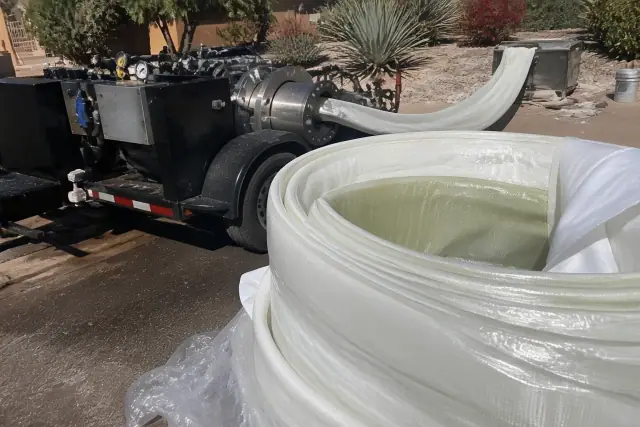
Resin-coated pipe liner and a hydraulic inversion machine at a sewer pipe lining job site in Phoenix, AZ.

Cured-in-Place Pipe Lining

Cured-in-place pipe, or CIPP, creates a new pipe wall inside a line that still has sound shape and grade. It is useful when cracks, minor root intrusion, or corrosion do not require the old pipe to be fractured.

  • Resin-saturated felt liner
  • Cures inside the existing pipe
  • Keeps the original diameter
  • Works with minimal offset joints
  • Engineered for 50 or more years
Request Estimate
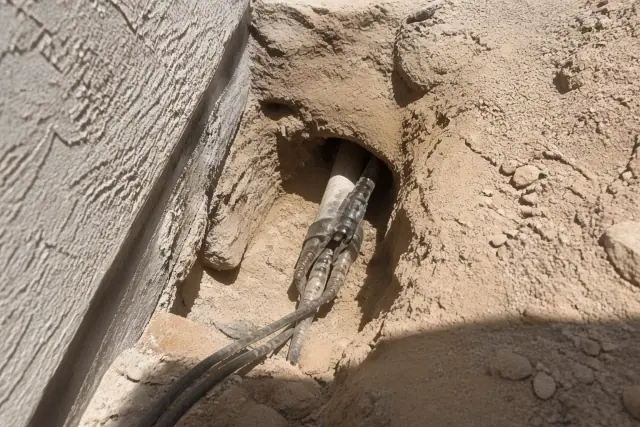
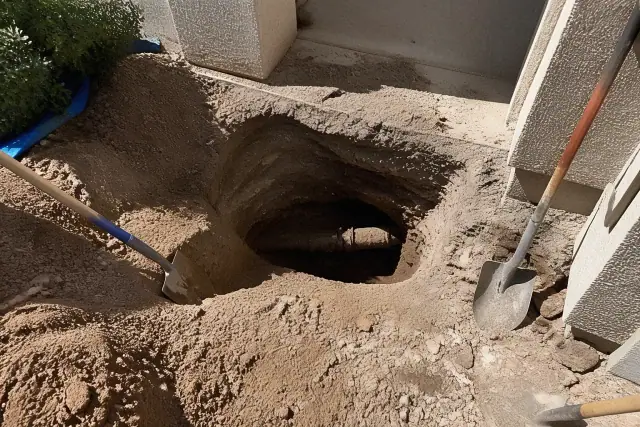
A trench restoration project with exposed pipes and soil in a residential backyard in Phoenix, AZ.

Point Repair or Open-Cut Replacement

An isolated failure may call for a single-point repair, while some routes still require traditional excavation. Camera inspection helps define whether one section or the full lateral to the city main needs replacement.

  • Targets an isolated damaged section
  • Full lateral replacement when damage is extensive
  • Open-cut work exposes the full pipe route
  • Restoration may include concrete and landscaping
  • Scope depends on depth, access, and pipe condition
Request Estimate
Finding Your Right Fit

Choosing the Right Trenchless Approach

Lining is often the better fit for interior deterioration in a pipe that retains its shape, while bursting is necessary for collapsed, severely bellied, crushed, or shifted lines. Bursting may also fit when increased diameter is needed; lining may fit when access pits are blocked by structures overhead. A sewer camera inspection supplies the evidence for that choice.

Camera-Led Recommendations

We inspect before quoting to confirm pipe material, depth, route, and the exact failure point. That evidence guides the choice among cleaning, lining, point repair, static bursting, pneumatic bursting, and full replacement.

Phoenix Soil Experience

Phoenix caliche, expansive clay, and monsoon moisture can stress aging laterals and complicate excavation. Our bursting equipment and access planning account for hardpan, shifting ground, desert landscaping, hardscape, and irrigation.

Licensed, Insured and Permit-Ready

Phoenix Sewers holds Arizona Registrar of Contractors licensing and carries insurance on every crew. We also pull required permits through the City of Phoenix Water Services Department and Maricopa County Environmental Services before excavation or bursting begins.

What Sets Us Apart

Why Choose Phoenix Sewers for Pipe Bursting?

A sewer replacement recommendation should reflect what the camera shows underground and what sits above the line. Phoenix Sewers combines trenchless equipment, HDPE material standards, local soil experience, utility coordination, and permit handling to build a clear repair plan for the property.

Request Assessment

Root Intrusion at Pipe Joints

Roots enter aging clay and other segmented lines through joints, then widen openings and trap grease or flushed debris. The added blockage pressure can accelerate cracking and separation in a pipe that is already weak.

Cast Iron Corrosion

Cast iron laterals common in Phoenix homes built through the 1960s can corrode from the inside out. As the wall thins, longitudinal cracks form; when the route remains suitable, these lines can burst cleanly and predictably.

Expansive Soil Movement

Long dry periods followed by monsoon moisture can expand Phoenix clay soils around an already compromised line. Settlement and movement can separate joints, crush weak sections, or push deterioration past the point of failure.

Pipe Bellies and Blockages

A pipe belly is a sagging section that holds solids instead of maintaining consistent flow. Slow drains, gurgling toilets, recurring backups, or standing water near a cleanout can signal buildup or structural damage that needs camera inspection.

Cracked Clay or Concrete Pipe

Original clay tile installed before the 1980s can fail from age, joint separation, and root intrusion. Concrete pipe can crack under soil pressure and root growth, allowing infiltration that speeds further collapse.

Failed PVC Joints

Older PVC installations may fail at poorly fused joints or where improper bedding allowed movement. Full replacement may warrant bursting, while shallow cracks in otherwise sound PVC can be better suited to sewer pipe lining.

How It Works

Our Sewer Pipe Bursting Process

Each project begins with evidence from inside the sewer line and moves through method selection, utility coordination, permitting, access, and the HDPE pull. The sequence keeps the repair tied to actual pipe and site conditions.

01.

Inspect the Sewer Line

We run a sewer camera through the line to identify material, depth, route, failure location, bellies, offsets, and connections.

02.

Choose the Repair Method

Camera findings determine whether cleaning, lining, static bursting, pneumatic bursting, point repair, or open-cut replacement fits the pipe.

03.

Locate Utilities and Pull Permits

We coordinate with Arizona 811 for underground utility location and secure required city or county permits before digging begins.

04.

Open Two Access Pits

Crews expose the line at two controlled access points instead of trenching through the full yard, driveway, landscaping, or hardscape.

05.

Prepare the Bursting Assembly

A cable or hydraulic rod is fed through the old line, then the bursting head is attached to the fusion-welded HDPE replacement pipe.

06.

Burst and Pull the New Pipe

The head is winched or driven through the failing pipe, fracturing it outward as the new HDPE follows. Once the pits are open, the pull typically takes a few hours.

Plan Your Sewer Repair

Schedule a Sewer Pipe Bursting Assessment

If you have a broken sewer pipe, recurring slow drains, a sewage backup, or a failed home-sale inspection, request a camera-led assessment. Phoenix Sewers will identify whether cleaning, lining, point repair, or pipe bursting matches the condition of the line.

Sewer Pipe Bursting Help

Sewer Pipe Bursting FAQs

These answers cover common questions about causes, responsibility, trenchless methods, pricing, timing, permits, insurance, and what an inspection can reveal.

Call Phoenix Sewers

A line that appears to fail overnight has usually been weakening for months or years. Corrosion, root intrusion, or soil movement gradually damages the pipe until monsoon moisture, a sudden load, or normal flow pushes it past the failure point; a camera inspection often reveals older cracks or offsets.

The property owner is generally responsible for the sewer lateral from the house to its connection at the city main, including portions under a sidewalk or parkway strip. The City of Phoenix Water Services Department typically maintains the main itself, so we confirm the failure location relative to the connection before quoting.

Common causes include tree roots at joints, cast iron corrosion, expansive clay settlement, pipe bellies, and age-related breakdown in clay tile. Grease and flushed debris can add pressure behind an existing restriction and accelerate failure.

Lining cures a resin-saturated tube inside a structurally sound pipe and keeps its original diameter. Bursting fractures the old pipe and pulls in new HDPE, making it the better fit for collapsed, shifted, crushed, or severely bellied lines and for projects that need more diameter.

Most residential runs in Phoenix fall between 50 and 150 feet between access pits. Equipment pulling force, bends, offset joints, connections, pipe material, depth, and route conditions determine whether a longer run or extra access point is feasible.

Vitrified clay and cast iron are the most failure-prone older materials because joints separate and metal corrodes with age. Concrete can crack under soil pressure and roots, while older PVC can fail at poorly fused joints even though it generally lasts better than the materials it replaced.

Coverage depends on the policy. Standard policies often exclude wear, corrosion, or root intrusion as maintenance issues, while an optional sewer-line endorsement may cover collapse or backup damage; review the policy and ask the insurer whether camera documentation supports a claim.

Most sewer replacement and pipe bursting projects require a City of Phoenix Water Services Department permit, and right-of-way work near a sidewalk or street may need added review. Maricopa County Environmental Services may also have requirements based on the connection type, and Phoenix Sewers handles required permitting for its projects.

Phoenix-market pipe bursting generally runs $6,000 to $12,000, with some larger or deeper commercial runs reaching $20,000; a rough per-foot budget is $150 to $250 depending on diameter and depth. Smaller residential jobs may be closer to $3,000, while full sewer replacement projects citywide typically range from $3,500 to $8,500 depending on scope.

Once the access pits are open, the pipe pull itself typically takes a few hours, and completion often runs up to 4.5 times faster than open-cut work on comparable footage. For many Phoenix properties, trenchless repair can mean a two-day repair instead of a two-week excavation project, although depth and access still affect the schedule.

Yes. Because bursting removes the old pipe rather than lining its interior, the new HDPE can match or increase the original diameter when route and site conditions allow; lining cannot increase flow capacity this way.

Sewage backing up into a shower or tub, gurgling toilets, recurring slow drains, a sinkhole, or standing water around a cleanout can indicate a blockage or structural failure. Same-day camera inspection can distinguish a clog that may respond to cleaning from a collapsed line that needs replacement.

It can when roots, grease, or debris are restricting a pipe that remains structurally usable. Equipment capable of pressures up to 4,000 psi may clear the obstruction, but a sewer camera must confirm whether the problem is a clog or a broken line that needs lining or bursting.