Proudly serving Phoenix, Glendale, Scottsdale, Tempe, Mesa, Chandler & surrounding areasCall or Text 24/7: 480-259-3923
Aerial view of residential neighborhoods with desert landscaping and Saguaro cacti in Phoenix, AZ at golden hour.

Sewer Line Repair & Trenchless Replacement in Goodyear, AZ

Phoenix Sewers provides sewer line repair, sewer line replacement, and trenchless sewer solutions for homeowners and businesses in Goodyear, AZ. Our crews also handle drain cleaning, sewer camera inspection, hydro jetting, main sewer line cleaning, pipe lining, pipe bursting, and commercial sewer services. We use camera equipment, jetting rigs, and trenchless repair systems to match the work to the line's actual condition. From established neighborhoods to growing commercial corridors, we address residential laterals and commercial main lines.

Goodyear grew from 95,294 residents at the 2020 census to an estimated 118,186 residents in 2024, adding demand to sewer infrastructure across the city. Expansive clay, caliche layers, desert heat, and shifting soil can stress both aging clay pipe and newer PVC lines. Slow drains, gurgling toilets, sewage odors, or a wet area near the cleanout can signal a developing sewer problem. A camera-first diagnosis shows whether the line needs cleaning, a targeted repair, lining, bursting, or full replacement.

We serve Estrella Mountain Ranch, Palm Valley, Canyon Trails, Pebble Creek, Rancho Santa Fe, and Goodyear properties near Litchfield Road, Pebble Creek Parkway, and Interstate 10. Call for a free sewer inspection; many jobs can be diagnosed and often completed in a single visit.

★ ★ ★ ★ ★4.9/5 Average Rating - 20+ Years of Experience - Goodyear Sewer Specialists - Residential & Commercial
Sewer Services

Complete Sewer Solutions in Goodyear, AZ

Choose from targeted repairs, full replacement, drain and main-line cleaning, camera inspection, hydro jetting, pipe lining, pipe bursting, and commercial sewer work. Phoenix Sewers serves established properties with 1980s and 1990s infrastructure as well as newer construction across Goodyear's southern and western growth areas. We also work throughout Avondale, Litchfield Park, Buckeye, Verrado, and the broader Maricopa County West Valley. Property owners comparing nearby coverage can review our Surprise, AZ sewer service page.

Sewer Line Repair

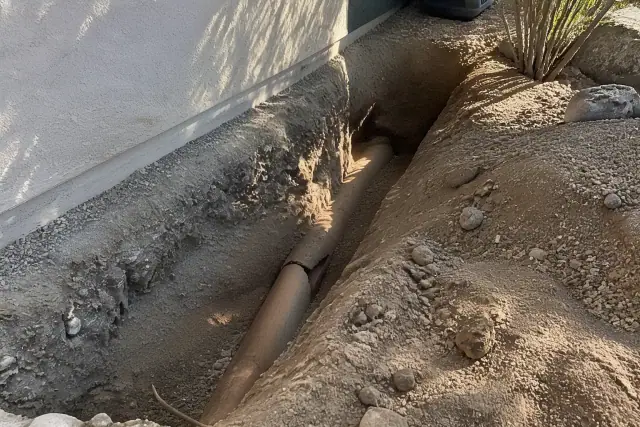
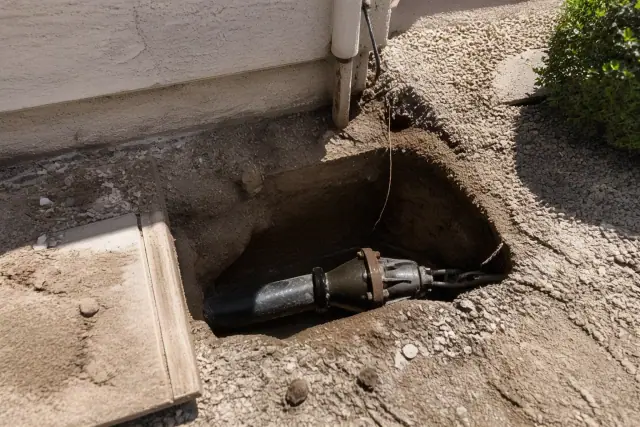
Deep trench showing cracked sewer pipe repair in progress at a residential foundation in Goodyear, AZ.

Camera inspection isolates cracked joints, root intrusion, or offset clay pipe so a sound line can receive a targeted spot repair instead of unnecessary full replacement. The recommendation is based on the failure point, pipe condition, depth, and access.

Explore Service

Sewer Line Replacement

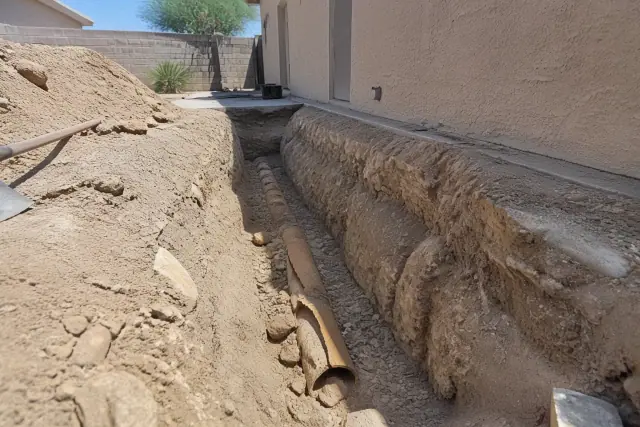
Deep trench excavation showing cracked terra cotta sewer pipes and dusty soil at a job site in Goodyear, AZ.

Multiple failures, bellies, collapse, or aging clay pipe can make full replacement the stronger long-term option. The crew selects sanitary-sewer-rated PVC and compares open-trench and trenchless access based on pipe length, depth, soil, and surface conditions.

Explore Service

Drain Cleaning

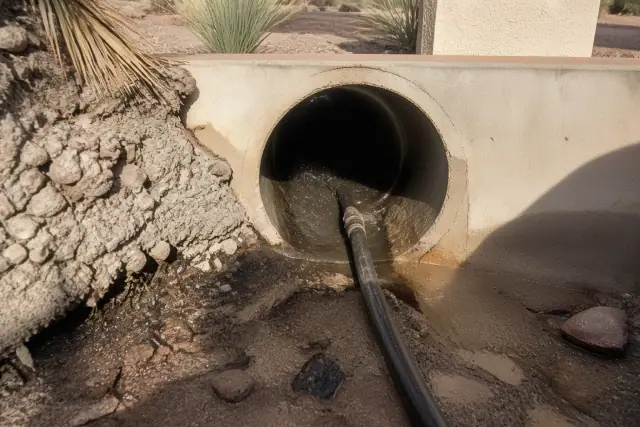
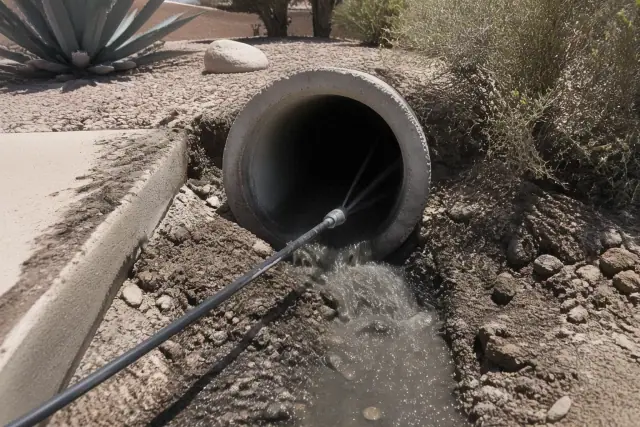
Hydro-jetting equipment clearing debris from an industrial sewer pipe in Goodyear, AZ with desert landscaping.

Residential and commercial drain cleaning begins by identifying whether grease, hard-water mineral scale, roots, or another obstruction is restricting flow. Motorized cable equipment handles standard clogs, while tougher buildup may call for hydro jetting.

Explore Service

Sewer Camera Inspection

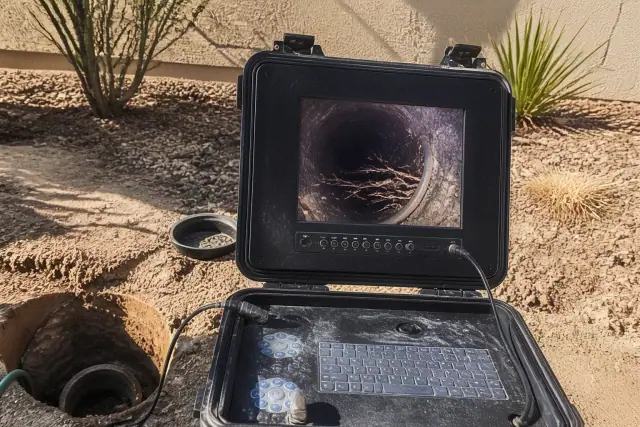
Sewer camera inspection monitor showing an internal pipe view at a jobsite in Goodyear, AZ.

A high-resolution camera travels through the sewer line to reveal cracks, roots, bellies, blockages, and collapse in real time. The same equipment documents pipe condition before a home purchase and verifies flow after repair, lining, or replacement.

Hydro Jetting

Hydro jetting nozzle clearing debris from an industrial pipe at a residential site in Goodyear, AZ.

High-pressure water scours grease, scale, and root hair from the pipe walls instead of opening only a narrow path through the blockage. Hydro jetting fits recurring clogs, commercial kitchen lines, and maintenance needs in older Goodyear properties.

Main Sewer Line Cleaning

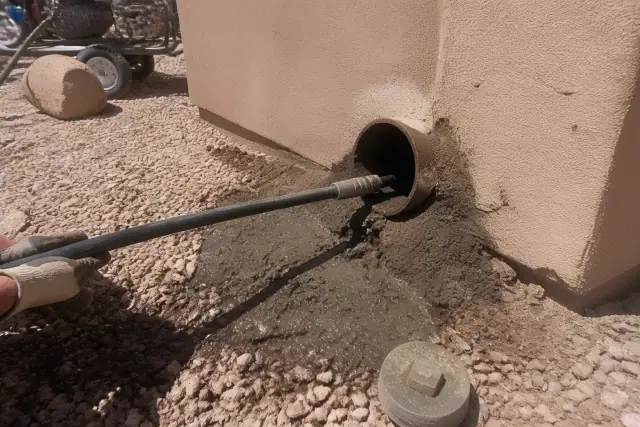
High-pressure hose clearing sediment from a sewer pipe during a main line cleaning project in Goodyear, AZ.

When several fixtures back up together, the blockage may be in the primary line connecting the property to the municipal sewer main. Cabling or jetting clears the obstruction, followed by a camera pass to confirm flow and check for underlying damage.

Trenchless Sewer Repair

Hydraulic bursting head inside a trenchless sewer repair entry pit in Goodyear, AZ.

Pipe lining and pipe bursting use small access points instead of a continuous trench, helping protect driveways, pool decking, hardscape, and mature landscaping. Once excavation and restoration are included, property owners commonly save 30 to 50 percent compared with traditional dig-and-replace.

Sewer Pipe Lining

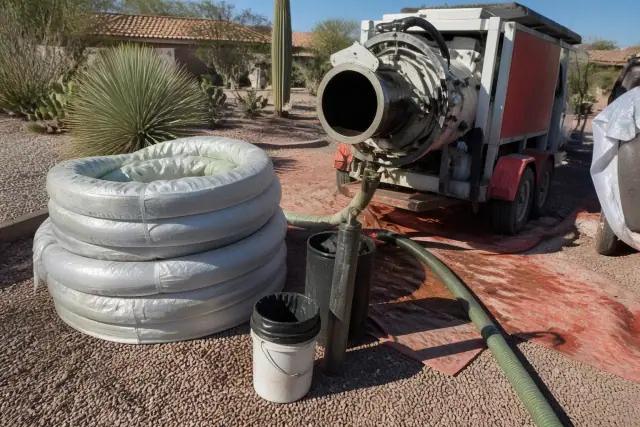
Resin-coated liner and hydraulic inversion machine at a sewer pipe lining jobsite in Goodyear, AZ.

Cured-in-place pipe lining places a resin-saturated liner inside a damaged line, where it cures into a jointless pipe within the original pipe. It can seal cracks and root entry points when the host pipe still has enough shape and structure to support lining.

Sewer Pipe Bursting

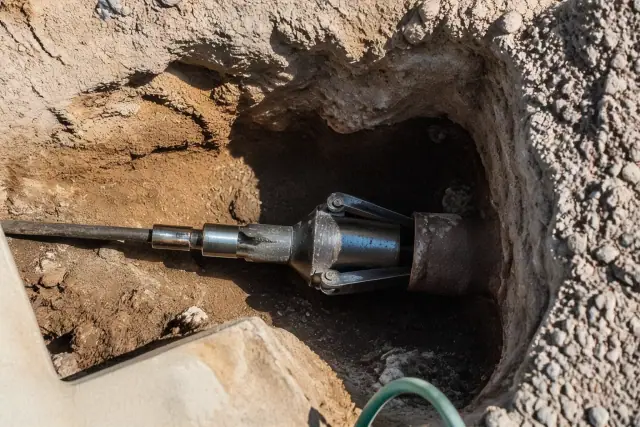
A hydraulic bursting head in a trenchless pipe repair pit at a jobsite in Goodyear, AZ.

Pipe bursting pulls new pipe through the old route while a bursting head fractures the failed pipe outward into the surrounding soil. It supports full replacement, including diameter upgrades, without excavating one continuous trench.

Commercial Sewer Services

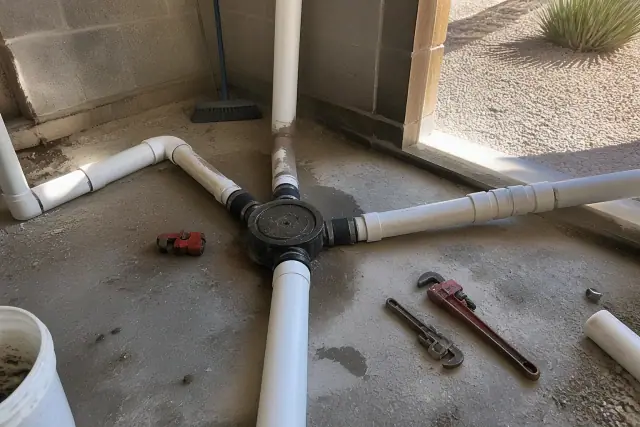
Technician photo of intersecting PVC drainage pipes and a floor drain assembly in a Goodyear, AZ utility room.

Commercial sewer work covers restaurants, retail centers, and industrial properties along Goodyear corridors such as Pebble Creek Parkway and Interstate 10. Services include grease-trap line maintenance, main-line cleaning, camera inspections for transactions, and backflow prevention testing, with scheduling around business hours when conditions allow.

Choosing a Repair Method

How to Choose the Right Sewer Solution in Goodyear

The right method depends on what the camera shows, the number and severity of defects, pipe material, depth, access, surface restoration, and total project cost. Phoenix Sewers explains the footage and compares spot repair, lining, bursting, or excavation before work begins.

Camera Inspection Findings

Real-time footage distinguishes a removable blockage from cracked joints, roots, bellies, or collapse. That evidence keeps the recommendation tied to the actual defect rather than a guess based only on surface symptoms.

Failure Pattern and Pipe Condition

An isolated break in otherwise sound pipe may support a spot repair, while multiple defects or a severely collapsed line can justify replacement. Lining requires the existing pipe to retain enough structure and alignment for a cured liner.

Access and Surface Disruption

Driveways, pools, hardscape, and mature desert landscaping can make continuous excavation costly to restore. When pipe condition allows, small trenchless access pits reduce digging across finished surfaces.

Pipe Material and Soil Load

Replacement material is selected for sanitary sewer use based on burial depth, soil load, and whether the line crosses beneath a driveway or structure. PVC resists corrosion and root intrusion better than the clay or cast iron it often replaces.

Total Project Cost

Nationally, sewer line repair projects average $4,000 to $13,000. Excavation, pipe location, and relandscaping can push total costs to $12,000 to $25,000 depending on scope, so the least expensive method per foot is not always the lowest final invoice.

Repair Timeline

Most straightforward spot repairs finish in a single day. Full replacements can take two to four days depending on run length, depth, soil conditions, excavation, and whether a trenchless method is suitable.

Goodyear Sewer Warning Signs

Common Sewer Problems for Goodyear Properties

Sewer failures often announce themselves through changes in drainage, odor, yard conditions, or several fixtures backing up at once. A camera inspection can separate a cleanable obstruction from structural pipe damage before the problem becomes more disruptive.

Inspect My Sewer Line

Slow Drains and Gurgling Toilets

Sluggish fixtures and gurgling toilets can indicate restricted flow farther down the lateral. Checking the line before a complete backup helps identify whether cabling, jetting, or structural repair is appropriate.

Sewage Odors or Wet Yard Areas

A sewage smell outdoors or a sudden wet area near the cleanout can point to escaping wastewater. Camera footage and line location help narrow down the damaged section without unnecessary excavation.

Root Intrusion at Pipe Joints

Roots from mature landscaping seek moisture during dry stretches and can enter older clay-pipe joints. As roots expand, they catch debris, restrict flow, and may worsen existing cracks or offsets.

Grease and Mineral Scale Buildup

Grease in residential and commercial kitchen lines and mineral scale associated with Goodyear's hard water can narrow the pipe interior. Cable cleaning or hydro jetting is selected according to the buildup and pipe condition.

Offset, Cracked, or Bellied Pipe

Expansive clay, caliche, seasonal moisture changes, and intense desert heat can shift soil around buried lines. That movement stresses joints and can create cracks, offsets, or low sections that hold water and debris.

Multiple-Drain Backups

When toilets, tubs, and sinks back up together, the main sewer line is a likely source rather than an individual fixture drain. Clearing the blockage and then inspecting the line can reveal roots, scale, grease, or structural damage behind the backup.

Why Choose Us

Why Choose Phoenix Sewers in Goodyear?

Phoenix Sewers brings licensed sewer repair crews, camera-first diagnosis, and equipment for cleaning, excavation, and trenchless work. The team follows City of Goodyear permitting standards and Maricopa County Environmental Services Department requirements, including pulling permits when the scope requires them.

Camera-First Diagnosis

Each recommendation begins with footage of the actual pipe. Customers can see the blockage or failure and understand why cleaning, spot repair, lining, bursting, or replacement fits the condition found underground.

Goodyear and West Valley Experience

Local work across residential and commercial properties helps the crew recognize failure patterns tied to clay soil, caliche, mature landscaping, older laterals, and right-of-way coordination in the West Valley.

Repair, Jetting, and Trenchless Equipment

Trucks carry camera systems, hydro jetting rigs, and trenchless repair equipment for a broad range of sewer conditions. Having the needed equipment supports diagnosis and, when the scope allows, completion during the same visit.

Camera-Guided Process

Our Sewer Repair and Replacement Process in Goodyear

Our seven-part workflow moves from line location and inspection through method selection, permitting, repair, verification, and surface restoration. The six stages below combine related actions while keeping each decision tied to the pipe's documented condition.

01.

Inspect and Locate the Line

We locate the sewer route and run a camera through the pipe to document its condition. Utility locations are marked before any excavation or trenchless access work begins.

02.

Identify Damage and Blockages

The camera pinpoints cracks, breaks, bellies, root intrusion, buildup, or full collapse. Pipe depth, access, material, and the number of defects become part of the repair decision.

03.

Choose the Least Invasive Method

We compare cabling, hydro jetting, spot repair, lining, bursting, and full replacement, then recommend the least invasive option that addresses the whole problem.

04.

Handle Permits and Utility Marking

When the scope requires it, permits are pulled through the applicable jurisdiction and utilities are marked before digging. This keeps the work coordinated with local requirements and site conditions.

05.

Complete the Sewer Work

The crew clears, repairs, lines, bursts, or replaces the line using the selected method. Replacement work uses PVC rated for sanitary sewer service and is installed for proper grade and flow.

06.

Verify Flow and Restore the Surface

A final camera pass confirms the repair and proper flow. Excavated areas are then backfilled, compacted, and restored to the original grade.

Service Outcomes

Sewer Solutions for Goodyear Properties & Businesses

Case Study 1: Targeted Spot Repair: An isolated failure in otherwise sound pipe can be repaired at the damaged section, limiting excavation and preserving the serviceable line.

Case Study 2: Trenchless Replacement: Pipe bursting or lining can reduce disruption around driveways, pools, hardscape, golf-course lots, and mature landscaping when the existing line qualifies.

Case Study 3: Commercial Flow Restoration: Cabling, hydro jetting, and camera verification address grease, scale, and main-line obstructions while scheduling around business hours when conditions allow.

Request an Inspection

Schedule a Goodyear
Sewer
Inspection

Request a free sewer inspection to see what is happening underground before committing to a repair method. Phoenix Sewers will review the camera findings and explain the options that fit your pipe condition, property access, and project scope.

Goodyear Sewer Help

FAQs About Sewer Service in Goodyear, AZ

These answers cover repair timelines, inspection methods, trenchless options, pipe materials, common causes, permits, and costs for Goodyear sewer projects. A camera inspection is still the most reliable way to determine what a specific line needs.

Call Phoenix Sewers

Most single-point repairs take one day from diagnosis to completion after the problem is located by camera. A full replacement, especially with open-trench excavation, typically takes two to four days depending on run length, pipe depth, soil conditions, and access.

A camera inspection first identifies whether the line has a crack, root intrusion, a belly, or a full collapse. Isolated damage may allow spot repair or lining, while multiple failures or clay pipe near its general 50-to-100-year service life may call for replacement.

Phoenix Sewers installs Schedule 40 or SDR-35 PVC rated for sanitary sewer use. Selection depends on trench depth, soil load, and whether the line crosses beneath a driveway or structure; both materials resist corrosion and root entry better than older clay or cast iron.

Yes, many lines qualify for trenchless repair through small access points rather than one continuous trench. Pipe lining creates a cured liner inside the existing pipe, while pipe bursting pulls a new line through the old route; camera findings determine whether either method fits.

Lining can be worthwhile for cracks, root intrusion, and minor defects when the host pipe remains structurally intact and reasonably aligned. A severely collapsed, offset, or badly bellied line may require pipe bursting or traditional replacement instead.

Common causes include roots entering older pipe joints, grease buildup, hard-water mineral scale, and debris catching in cracked or offset pipe. Expansive clay and caliche can move around buried lines, adding stress to joints over time.

Nationally, traditional sewer line repair runs about $50 to $250 per foot in labor and equipment. Professional replacement projects commonly fall between $1,388 and $5,323 depending on pipe material and method, but depth, access, soil, trenching, and restoration determine the actual Goodyear project total.

A spot repair can make sense when camera footage shows one isolated failure and the remaining pipe is sound. Multiple breaks, bellies, collapse, or widespread deterioration can make full replacement more appropriate.

Several drains backing up at once is a stronger main-line warning than one slow fixture. Gurgling toilets, sewage odors, and wet ground near the cleanout can also justify prompt inspection.

Yes. Phoenix Sewers uses a final camera pass after repair, replacement, or lining to confirm the completed work and check proper flow through the line.

The better method depends on the obstruction and pipe condition. Cable equipment can clear standard clogs, while hydro jetting scours grease, scale, and root hair from the pipe walls for more complete flow restoration.

Permits are pulled when the project scope requires them under the applicable City of Goodyear or Maricopa County process. On larger commercial work, jurisdictional permit timing can add a day or two to the schedule.

Lining needs an existing pipe that retains enough shape and structure to support the cured liner. Severe collapse, major misalignment, or a pronounced belly may require pipe bursting or excavated replacement.

Expansive clay and caliche move with moisture changes, while desert heat can dry and shift soil around shallow lines. Developments built since the early 2000s mostly use PVC, but older clay and Orangeburg sections are more vulnerable to root entry, joint offsets, and collapse.

Yes. Phoenix Sewers works on home laterals and commercial main lines throughout Goodyear, including restaurants, retail centers, and industrial properties, and also serves Avondale, Litchfield Park, Buckeye, Verrado, and the broader West Valley coverage described on this page.